

Overview
What you'll achieve
• What dementia is, including its most common types and causes
• How dementia affects the brain and leads to behavioral changes
• Strategies for responding to challenging behaviors with empathy and effectiveness
• Signs of care partner stress and burnout—and how to recognize them early
• Tips for managing stress and reducing the risk of burnout
• When and where to seek help and support
Who this is for
This 5-part support series is ideal for family members and care partners who want to deepen their understanding of dementia and build resilience
What's included
Educational support series
access to PowerPoint slides
Handouts for each session
links to videos and websites for further learning
Program structure
1. 5 Part series

90 minutes sessions, once a week for 5 weeks.
Online, live, not recorded
What you'll need
Verified Top Expert
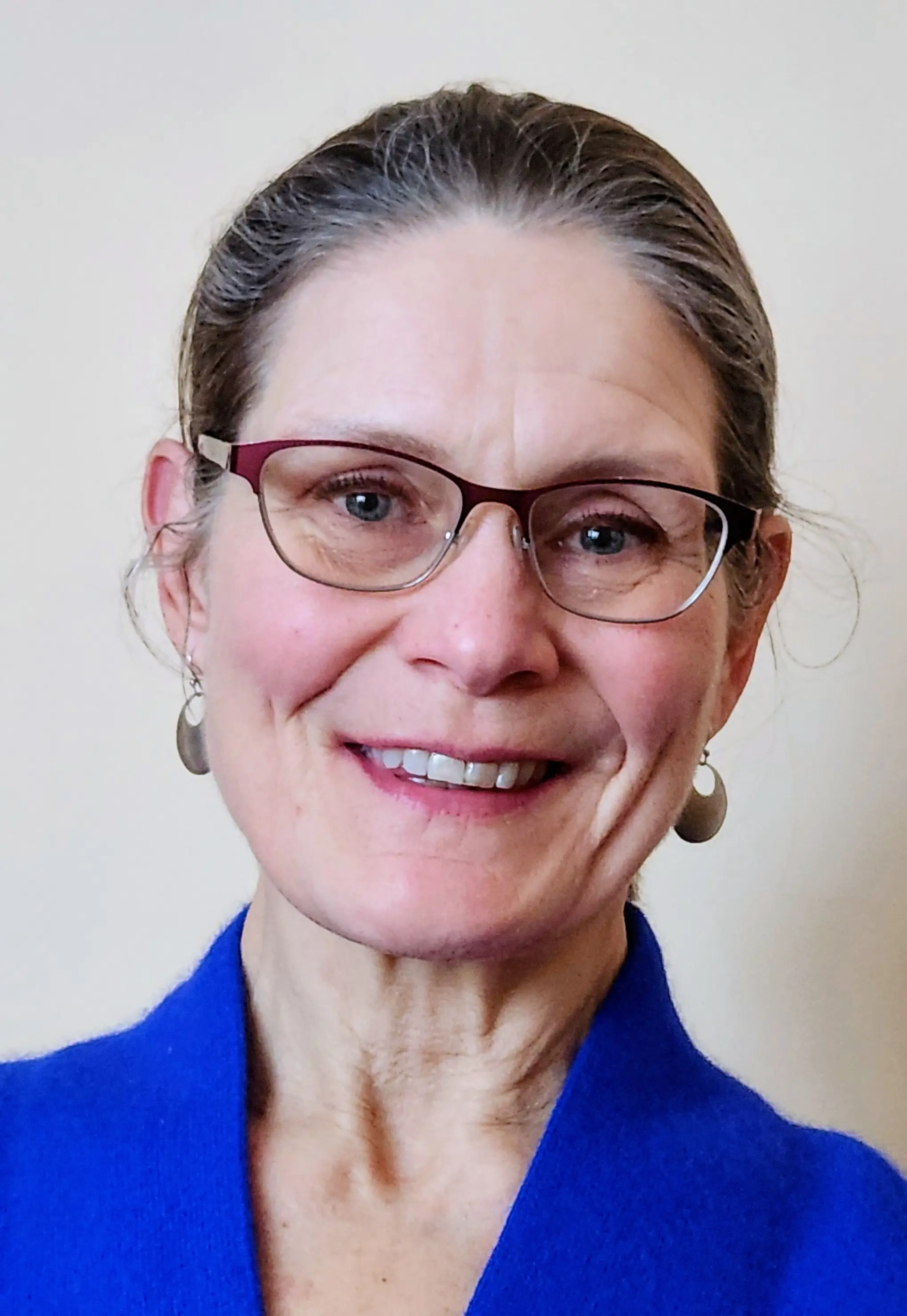
Jennifer Stover
Dementia Care Partner Consultant
Downingtown, Pennsylvania, United States
4 years experience
I help care partners move from confusion and burnout to clarity and confidence. I provide practical dementia care education that empowers families and professionals to navigate dementia challenges with empathy, skill, and resilience. Whether you're a family caregiver, a professional, or a community organization, I offer tailored guidance and compassionate support to help you thrive, not just survive, on the dementia care journey. You don't have to walk this road alone.
I am a Positive Approach to Care® Certified Consultant, Educator, and Trainer, as well as a board-certified Health and Wellness Coach and geriatric Physical Therapist.
All PAC Dementia Certifications are based on Teepa Snow's approach and care partnering techniques. Each certification tier includes instruction in PAC philosophy, essential dementia knowledge, and basic care partnering skills, such as Positive Physical Approach™ and Hand-under-Hand® support.
What I Offer:
Practical skills to simplify day-to-day care and reduce stress
Education on dementia-related brain changes and how they affect behavior
Strategies to manage challenging situations with compassion and effectiveness
Tools to increase meaningful interactions and reduce conflict
Support to build confidence in your caregiving role
Why It Matters:
Caring for someone living with dementia is not just a medical task; it's a human journey. Many families feel lost, even when they follow medical advice, because the day-to-day realities require a different kind of understanding. I help bridge that gap.
You deserve to feel empowered, not frantic.
You deserve to experience less stress and more balance.
You deserve to enjoy more meaningful moments with the person you support.