

Overview
What you'll achieve
Goals and progress are fully determined by the coachee–not the coach.
Common goals include better work/life integration, improved resilience, more optimism, and navigating change with skill and heart
Who this is for
You find yourself at a crossroads, and the path forward feels foggy and uncertain.
You feel stuck or burnt out, and the spark that once motivated you feels distant.
You’re navigating a significant life change—even a positive one—and it feels more complicated than you expected.
You simply feel ready to live a more intentional life, guided by your own values and curiosity rather than by external pressures.
What's included
Twelve (12) 1:1 Coaching Sessions (50 minutes each)
You’ll have access to me via email or text for those in-between moments, whether it's a small win to celebrate or a challenge to navigate.
Resources such as articles, books, podcasts, and guides
What you'll need
Verified Top Expert
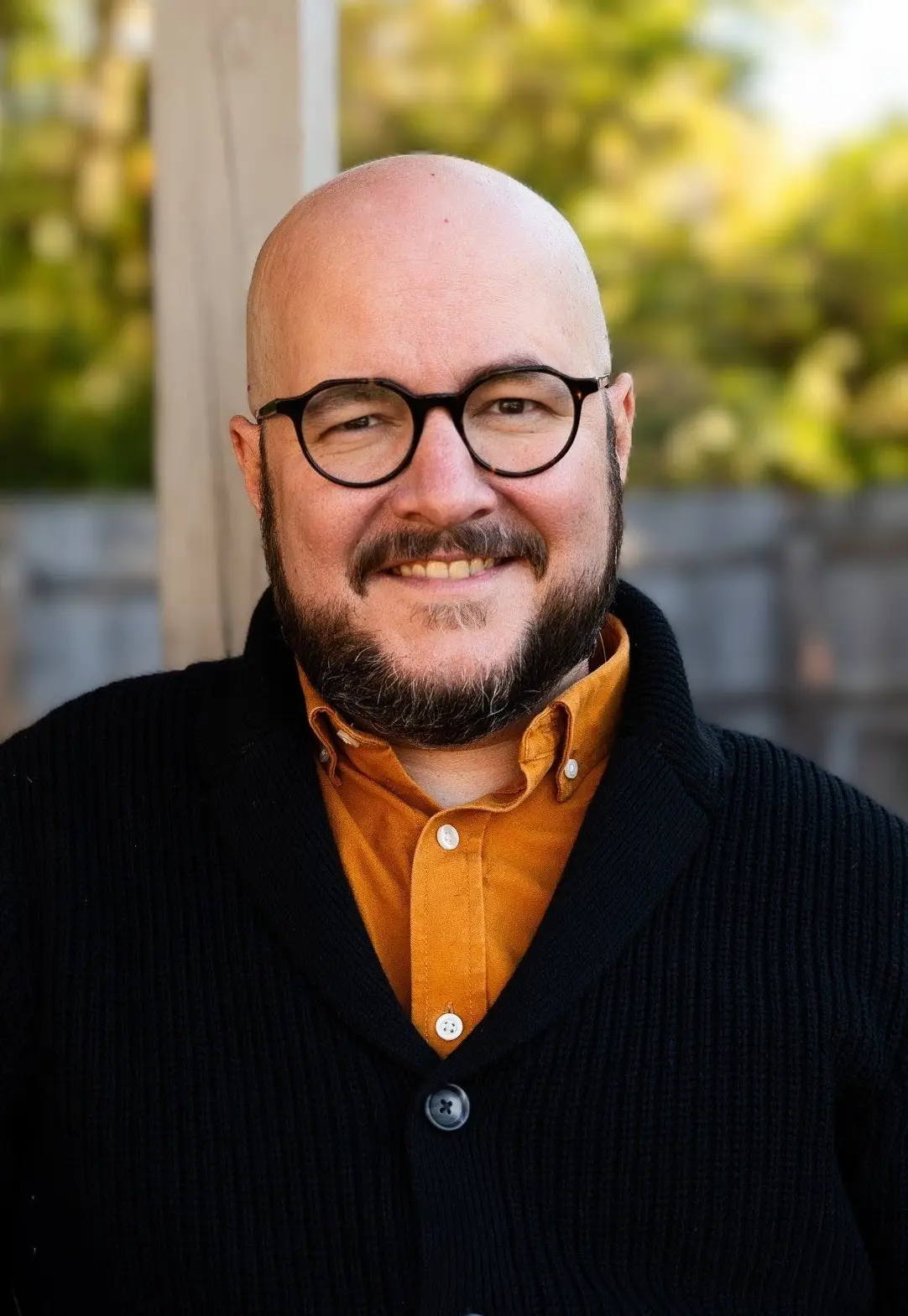
Adam Bouse
Coach
Muncie, United States
11 years experience
Founder, coach, emotions educator, writer, possibilitarian.
Even before I was a coach, I was a student of what it means to be human. I’ve always been fascinated by what helps us grow, what holds us back, and how we can live with more curiosity and intention. My passions have taken me to work in museums, tech companies, non-profits, marketing, and L&D. The common thread has always been a deep curiosity about people and a desire to help them learn and grow. This is the foundation of my practice today.
For the last five years, I was a leadership and management coach (and a senior manager of a coaching team). In 2024, my family experienced the devastating loss of my wife, Stacey. And as cliché as it is, that kind of experience is clarifying, whether you wanted it to be or not. I don’t think these moments change your values as much as they make them abundantly clear.
What I am embracing in this season is that I can hold space for both the good and the bad, that grief can live alongside purpose and seeking out possibilities. In that light and with renewed clarity of values and purpose, I launched Optimistic Coaching as a business and my full-time work.
This work isn’t about formulas or one-size-fits-all solutions. It’s about showing up, being fully present with you, and creating a space where you feel truly heard and seen. I believe the most powerful moments of connection and breakthrough happen when you have a partner who listens with empathy, asks compelling questions, and helps you see the possibilities that still exist. Coaching, teaching and creating — this is what I want to be doing.
"FAQs
Still need more clarity? Here are answers to some commonly asked questions.
How does coaching work?

We start by making sure there is a good fit between the coach and the person seeking coaching.
From there, we spend time getting clear on what your desired outcome or growth area is, explore what’s already working, identify possibilities, and then make a plan. Coaching works best over the course of several conversations, always at the pace and spacing desired by the person receiving coaching.
Is this going to be like therapy?
While both are valuable, they serve different needs. Therapy, provided by licensed clinicians, often focuses on healing past wounds and treating mental health conditions.
Coaching is a forward-focused partnership designed to help you move from where you are now to where you want to be. A therapist might help heal an old injury; as your coach, I'm the trail guide for the path ahead.
Coaching is for those feeling stuck or seeking growth, not as a substitute for mental health treatment. If it seems your needs would be better served by a therapist, I will always tell you with transparency and care. It takes all kinds of helping professionals to invest in our well-being.
Working with a therapist, a coach, a physical trainer, and a nutritionist, therefore, shouldn’t be seen as redundant or unnecessary—rather, it might be seen as a highly intentional support system to help you be and become all you want to be.
Do I really need a coach?
Simone Biles, Michael Jordan, Oprah, and NASA's Artemis II moon crew all worked with coaches. It's probably safe to say you can benefit from one, too.